
Relapse Risk Factors: Recognizing Internal and External Triggers

The longer you procrastinate on seeking treatment, the harder it will take to regain your recovery. If you do relapse, then your needs may be best served by a drug or alcohol rehab clinic. It may be possible for you to regain your recovery by attending outpatient therapy sessions. Others will merely require the support of their mutual support group.
What Is the Jellinek Curve in Addiction and Recovery?
Seeking support from professionals, such as therapists or support groups, can provide valuable guidance and assistance in navigating through challenging situations. It’s important to know that it’s not the end of the world if you do relapse. In fact, many experts now consider relapse to be a natural consequence of addiction. Addiction is often compared to chronic conditions such as asthma because of the relapse potential of both conditions. One reason why it’s a good idea not to enter a new relationship is because https://ecosoberhouse.com/ of the risk of breaking up and the emotional hurt this can cause. If your new relationship does break down, you may recommence your drinking or drug use as a way of escaping the emotional pain this breakup has caused.
- Friends, family, and recovery groups offer encouragement and accountability, making it easier for individuals to stay on track.
- We also emphasize relapse prevention planning, helping you create actionable steps to navigate challenges and maintain progress.
- You can choose to simply avoid these places if possible, but if it’s not, preparing yourself is key to helping manage your trigger response.
- Understanding how these triggers affect you is vital to avoid potential relapse.
- By taking these steps, individuals can foster resilience and help guide themselves back on the path to recovery after a physical relapse.
Can You Recover From a Process Addiction Without Professional Help?
Emotional distress serves as a triggering factor for what is Oxford House relapse among individuals in recovery from addiction. It is crucial to acknowledge the significant impact of emotional distress and establish efficient strategies for coping with it. High-risk situations increase relapse likelihood for individuals in recovery. It is crucial for individuals to identify and understand these high-risk situations in order to effectively manage and prevent relapse.
Substance Use Treatment
These factors include the person’s individual history of substance abuse, co-occurring mental health disorders, and life experiences. Although this list is not extensive, awareness of these common addiction relapse triggers is only part of the solution. While it is easy to tell someone in recovery to just avoid these drug triggers, it is not realistic. Everyone will have different solutions that work best for them, but it is important to practice the techniques you learned in your addiction therapies and to stay diligent. Relapse is a part of the recovery journey for many, but it is important not to let this slip-up end your sobriety story forever. Whether you’ve had a recent relapse or you’ve yet to get help, there is hope.
Myths About Drug Detox
Understanding these triggers allows individuals to be better prepared to handle challenging situations. By identifying specific situations, emotions, or people that increase the risk of relapse, individuals can develop strategies to manage these triggers. This may involve coping mechanisms like relaxation techniques or healthy distractions to handle cravings or emotional distress. Discover the most influential factors that can lead to relapse and hinder recovery. By understanding the power of these triggers, we can empower ourselves and others with the knowledge needed to identify and effectively manage these challenges on the path to long-term sobriety. Identifying and managing high-risk situations is essential for preventing relapse.
What Does EMDR Therapy Help?
- Avoidance relapse occurs when you focus on any distraction other than putting the time and effort into furthering your recovery goals.
- A strong and supportive network of people can serve as an anchor in your recovery.
- To steer clear of these relapse triggers, make an effort to stay close with people in your support system who encourage your recovery and well being.
- Mental health conditions may be a significant internal trigger, especially if you have an undiagnosed mental health disorder.
- Cognitive-behavioral therapy (CBT), for example, helps individuals recognize and change thought patterns that lead to addiction, fostering healthier responses to triggers.
- While a new promotion at work may be cause for a celebration, it can create triggers that cause temptation.
Substance abuse triggers are internal and external cues that cause a person in recovery to crave drugs and often relapse or lapse. The journey of addiction recovery is life-long—and brings some challenges. One of these challenges is triggers, which are types of relapse triggers internal or external factors that may elicit negative reactions, such as relapse. However, with help and education, you can learn to manage these triggers and avoid relapse.
Emotional State
Strategies may involve avoiding triggers, seeking support, practicing stress management, and developing healthy coping mechanisms. Seeking professional help and joining support groups can also provide guidance in managing high-risk situations and preventing relapse. Identifying triggers for relapse is crucial to maintain sobriety and prevent setbacks in recovery.

Stephen Stills Age, Family, Bio
It had started with a promise Neil Young made during a 1984 radio interview, where he’d vowed to record again with Crosby, Stills and Nash if David Crosby succeeded in conquering his now fabled addiction to free-base cocaine. Three years later Crosby had achieved just that and Young was left with no alternative but justin stills to deliver on his word. CSN were signed to Atlantic Records by Ahmet Ertegun, who had been a fan of the Springfield and disappointed by that band’s demise. He convinced CSN to allow Neil Young to join them on one of their tours, thereby founding Crosby, Stills, Nash and Young.
Justin Stills, Age 32 Verified
- He also brought his version of Joni Mitchell's song "Woodstock" for the band to cover.
- He attended the American School of Paris while there, and at 16 wrote his first song, "If I Were a Mountain".
- Stills also sang as a solo artist at Gerde’s Folk City, a well-known coffeehouse in Greenwich Village.
- A pentagram is a five-sided star used for casting magic spells and commonly connected with Satanism, deservedly so or not.
According to the Grammy Awards official website, he has been nominated for eight Grammy Awards, with his only win being the Grammy Award for Best New Artist of the Year. Furthermore, he was named by numerous renowned journals as one of the top 100 finest artists and guitarists of all time. Stephen Stills, Richie Furay, and Neil Young co-founded the “Buffalo Springfield” band in Los Angeles about 1966. After graduating from high school in 1993, Stills moved to Los Angeles, and worked as a roadie for his father.
Stephen Stills Children: Meet Chris Stills, Justin Stills, Jen Stills, Oliver Ragland, Eleanor Stills, Henry Stills
He moved frequently during his childhood, living in various places such as Tampa, Florida, Louisiana, Costa Rica, the Panama Canal Zone, and El Salvador. He completed his high school education in El Salvador and then enrolled in the Admiral Farragut Academy in St. Petersburg, Florida, to study maritime affairs. Stills, Furay, and Young reunited in Los Angeles and formed the core of Buffalo Springfield. Legend has it that Stills and Furay recognized Young's converted hearse and flagged him down, a meeting described in a recent solo track "Round the Bend".1314 Buffalo Springfield performed a mixture of folk, country, psychedelia, and rock. Its sound was lent a hard edge by the twin lead guitars of Stills and Young, and that combination helped make Buffalo Springfield a critical success.
Justin Stills’ Terrifying Snowboarding Accident Sends Shockwaves Through the Snowsports World
What happened to the Crosby & Nash harmonies on “Long May You Run”When Stills & Young were in the studio recording their album, Neil thought they should call in Crosby & Nash for additional harmonies. Unfortunately, after a few days in the studio, they started fighting and Stills & Young wiped C& N’s harmonies off the master. Stills has appeared on Ray LaMontagne's album Trouble on the track “Narrow Escape,” and on the title track of Crosby Stills and Nash's After the Storm.1 She toured Europe in 2008 appearing with Rufus Wainwright's band and is working and writing in Nashville. Beginning his professional career with Buffalo Springfield, he composed "For What It's Worth", which became one of the most recognizable songs of the 1960s. Other notable songs he contributed to the band were "Sit Down, I Think I Love You", "Bluebird", and "Rock & Roll Woman".
Court Records for Justin Stills
- In April 1971, CSN&Y released 4 Way Street, a double live album recorded in 1970.
- Stills moved to England and started recording his debut solo album.
- Also, in the concert documentary Year of the Horse, Young actually states his full name as Neil Percival Young.
- Some controversy surrounds Young’s full name and occasionally it is incorrectly listed as Neil Percival Kenneth Robert Ragland Young.
It provided Stills with the US No. 14 hit single "Love the One You're With", and another US top 40 hit "Sit Yourself Down", peaking at No. 37. The album peaked at No. 3 on the US charts, a solo career peak. At the time of release, Stills's album was the highest selling solo album out of the four. It was recorded in the UK, where Stills bought a mansion in Surrey, England, previously owned by Starr.15 To promote the album, Stills appeared on the BBC television show Disco 2 in January 1971. In May 1970, CSN&Y recorded Young's "Ohio" following the Kent State massacre on May 4. The single was rush-released by Atlantic Records at the same subsequent time as the group's "Teach Your Children" was climbing the charts.
people named Justin Stills found in Kentucky, Florida and 6 other states.

Despite having a relatively small number of albums, the band became an icon in the rock music scene. Also in 2009, he released his second archival release Pieces by Manassas, a selection of alternate takes and unreleased songs of Stills band recorded between 1971 and 1973. This was supposed to be the start in a series of archival releases, however none have appeared since. Having spent most of 1990 playing acoustic with CSN and solo he released the solo album Stills Alone in 1991, with the aim of releasing a solo electric album in 1992. His performance is captured https://ecosoberhouse.com/ on Ernesto Juan Castellanos's documentary Havana Jam '79. Why did it take so long until the second CSNY album “American Dream” was released?
nightlife: Golden Tiki
After a four-day residency at the Roxy in January 1979 with original CSN bandmate Dallas Taylor on drums, Stills spent most of 1979 on tour in the US playing with his California Blues Band. His performance is captured on Ernesto Juan Castellanos’s documentary Havana Jam ’79. In 1976 after the release of Illegal Stills, Stills attempted a reunion drug addiction with Neil Young.

Buffalo Springfield and Super Session (1966–
The “Replay” album (not available on CD) also features a remixed version of “I Give, You Give Blind” without the strings that are on the version of the song on the 1977 CSN album. Paul Kantner could not be credited on the original release of Crosby, Stills & Nash due to legal issues, but he is credited on the 2006 re-release. The song was also released by Jefferson Airplane the same year on the album Volunteers.
Alcohol's effects on the mouse brain are modulated by age and sex
In sum, cross-sectional studies of adolescent drinkers consistently observe altered neural correlates of spatial working memory; however, severity of alcohol use, sex, and co-use of other substances appear to be important moderating factors that complicate the relationship. Furthermore, prospective longitudinal studies on this domain of cognitive functioning are needed to determine whether the neural differences observed function as a risk factor, or represent a consequence of alcohol use. Resting state fMRI studies, which are devoid of any task demands, generally suggest that interactions between functional brain networks reduce with age, possibly reflecting increased efficiency in between-network communication and increased within-network communication (Blakemore, 2012).
Parsons (1994) reported that although alcoholic men and women showed impaired performance on neuropsychological tests relative to same-sex nonalcoholic control participants, only the alcoholic men differed from their controls on a measure of visually evoked event-related brain potentials. Other investigators found that alcoholic men and women displayed similar electrophysiological abnormalities (Hill and Steinhauer 1993). After correction for multiple comparisons, the cerebellar cortex and somatosensory cortex each approached having a significant age × sex × treatment × time interaction. Interestingly, adult males showed alcohol effects on both of these regions despite showing no overall effects on whole brain volume.
Participants
- Detailed images of the brain are possible in part because the different brain tissue types (i.e., gray matter, white matter, and cerebrospinal fluid CSF) contain different proportions of water (Rumboldt et al. 2010).
- This hyperexcitability can be analyzed not only through behavioral measures, such as convulsions, but also through electrophysiological changes in brain activity.
- In addition to these two neurotransmitter systems, a system using the neurotransmitter glutamate also appears to undergo changes during adolescence.
- In laboratory animals, sedation can be assessed by observing the righting reflex that normally helps the animals get back on all four feet if they fall over.
Studies included neuropsychological testing, visual and short-latency auditory evoked potentials, and morphometric analysis of computed tomography scans. Compared to control subjects, chronic alcoholics exhibited a significant prolongation of the PI00 latency of visual evoked potentials, and a prolongation and reduction in the amplitude of the latency of the V wave of short-latency auditory evoked potentials. Brain morphometric analysis showed that alcoholics had a significantly greater degree of brain shrinkage with age, compared to control subjects. Neuropsychological testing in alcoholics compared to controls revealed a significant impairment of frontal skills that was related to age, degree of scholarship, and the presence of frontal atrophy. In conclusion, well-nourished chronic alcoholics exhibited significant brain impairment, as demonstrated by neuropsychological testing, evoked potentials, and brain morphometric analysis, which was correlated with the lifetime dose of ethanol consumed.
- A single study measured GABA levels in five alcoholics without HE and five study participants with both alcohol and non–alcohol-related HE.
- Preclinical imaging has the potential to provide greater understanding of the dynamics of alcohol-related effects on the structure, metabolism, and function of the brain.
- Moreover, increased μ-opioid receptor availability in the ventral striatum of detoxified alcoholics correlates with self-reports of craving intensity (Heinz et al., 2005).
- Perhaps the most consistent evidence of greater RH dysfunction has come from studies utilizing electrophysiological measures, although this observation has to be tempered by the poor spatial resolution of ERPs.
- Another MRI study reported that although age and alcoholism interacted adversely in both sexes, alcoholic men, but not alcoholic women, had abnormal cortical white matter and sulcal volumes compared to same sex healthy comparison groups (Pfefferbaum et al. 2001b).
- While this limits confounding due to differences in these measures, results may not generalize to other populations.
Alcohol-induced disinhibition is reflected in premature motor preparation based on incomplete stimulus evaluation as measured by event-related potentials (ERPs; Marinkovic et al. 2000). Furthermore, these disinhibitory effects of alcohol are correlated with personality traits related to impulsivity and hyperactivity (Dougherty et al. 2000; Marinkovic et al. 2000). Recent models of vulnerability to alcoholism emphasize the importance of executive functions in mediating, as well as moderating the effects of alcohol (Finn 2002; Giancola 2004). Over the past 40 years, rigorous examination of brain function, structure, and attending factors through multidisciplinary research has helped identify the substrates of alcohol-related damage in the brain. One main area of this research has focused on the neuropsychological sequelae of alcoholism, which has resulted in the description of a pattern of sparing and impairment that provided an essential understanding of the functional deficits as well as of spared capabilities that could be useful alcohols effects on the brain: neuroimaging results in humans and animal models pmc in recovery. These studies have elucidated the component processes of memory, problem solving, and cognitive control, as well as visuospatial, and motor processes and their interactions with cognitive control processes.
Before each training session, one group of animals received no alcohol, and two other groups received one of two different alcohol doses. The investigators then compared how long it took the alcohol-exposed and control animals to remember the location of the platform. Among the adult animals, only those exposed to the highest alcohol concentration showed learning impairments compared with the control group. In contrast, adolescent animals also showed impairments after they had received the lower alcohol dose (Markwiese et al. 1998). This experiment demonstrates that adolescent rats are more vulnerable to alcohol’s effects on memory and learning than are adult rats.
For practical, evidence-based tips on supporting your patients with AUD, see the Core articles on treatment, referral, and recovery. During acute and protracted withdrawal, a profound negative emotional state evolves, termed hyperkatifeia (hyper-kuh-TEE-fee-uh). In addition, effects can differ depending on the time lapsed since ingestion; the same BAC may result in different effects on the ascending versus descending limbs of the BAC curve (Pohorecky and Brick 1977).
NICOTINE DEPENDENCE AND ITS POTENTIAL IMPACT IN CLINICAL TREATMENT
Hepatic Encephalopathy (HE) is believed to arise from high levels of ammonia circulating in the blood stream, occurring during acute or chronic liver disease, often as a consequence of alcoholism. Altered ammonia levels in the body directly influence brain metabolism and can lead to glial swelling and neuronal cell death (Kundra, Jain, Banga, Bajaj, & Kar, 2005; Rama Rao & Norenberg, 2014). HE patients may appear confused, disoriented, and have poor coordination (Prakash & Mullen, 2010; Vaquero, Chung, Cahill, & Blei, 2003). MRI images show bilateral, symmetrical high-intensity signals in the basal ganglia, prominent in globus pallidus, and substantia nigra (Figure 1C) (Binesh et al., 2006; Cordoba, Sanpedro, Alonso, & Rovira, 2002; Naegele et al., 2000), as well as along the cortico-spinal tract and white-matter of the cerebral hemispheres (Rovira et al., 2002). (A) Brain scan of an alcoholic man with Wernicke’s encephalopathy showing the typical hypertensities in the mammilary bodies and colliculi (reprint with permission from (Sullivan & Zahr, 2008)).

Adolescents Are More Sensitive Than Adults to Alcohol’s Memory-Impairing Effects
Another large area of research has focused on observable brain pathology, using increasingly sophisticated imaging technologies--progressing from pneumoencephalography to computed tomography, magnetic resonance imaging (MRI), diffusion tensor imaging, and functional MRI--that have enabled ever more detailed insight into brain structure and function. These advancements also have allowed analysis of the course of brain structural changes through periods of drinking, abstinence, and relapse. Because of differences between species, ages and treatment paradigms used across studies, further research will be required before broad conclusions about how EtOH affects these regions can be drawn. Rodent models of alcohol use during adolescence have illuminated possible neurobiological avenues of alcohol’s effects on cognitive functioning.
3.3. Adolescent females
These findings clearly demonstrate that, in contrast to alcohol’s effects on memory, adolescent rats appear to be less sensitive to alcohol’s effects on motor coordination than adult rats. It is clear, however, that the cerebellum, which plays a critical role in motor coordination, still is developing quite rapidly during adolescence. If the cerebellum is less sensitive to alcohol during this period, this could account for the developmental difference in sensitivity to alcohol. Each of the syndromes is characterized by extensive structural deviations from a healthy brain; the morphological changes, however, are not exclusively linked to a diagnosable neurological disorder.
Differential Effects of Acute Alcohol on Memory in Adolescents and Adults
Methods are used for acute and binge like protocols, while free drinking and vapor chambers are used for more chronic exposure protocols (Bell et al., 2017). While vapor chambers are the preferred method for sustained high BALs, in addition to inhalation, animals are exposed to ethanol via skin absorption. Problems with drinking protocols include a transitory alcohol preference in the absence of withdrawal signs and symptoms upon cessation of drinking.
3. Whole brain volume
Investigators in the alcohol field have begun to emphasize the integration of neuroimaging and genetic approaches (e.g., Boettiger et al., 2007; Heinz et al., 2007; Hutchison et al., in press). This special topic section of ACER features the work of four groups who are developing translational phenotypes based on neuroimaging. Bragulat et al. present a unique approach that involves the combination of intravenous ethanol infusion and the presentation of olfactory cues in the scanner. This study represents a thoughtful approach to investigating the effects of a highly controlled priming dose of ethanol on brain activation in response to alcohol cues. A unique advantage of this approach is that the priming dose is highly controlled with the intravenous infusion, which is likely to yield a phenotype that is sensitive to genetic variation that may influence the effects of ethanol on cue-elicited brain activation.
We then investigated the molecular mechanisms that underlie the alcohol inhibition of neuronal differentiation, specifically the expression of ERK and its phosphorylated (active) form after alcohol exposure. The treatment of NSCs with alcohol decreased phosphorylation of ERK, whereas the expression of total-ERK was not affected. To confirm the involvement of ERK in the mechanism of alcohol inhibition of neuronal differentiation, we treated NSCs with U0126, a mitogen-activated ERK kinase (MEK) inhibitor. U0126 treatment of NSC reduced neuronal differentiation and decreased the generation of neurons.95 Furthermore, the effect of U0126 on the DNA binding activity of NRSF was measured by treating NSCs with various concentrations of U0126, which revealed that U0126 potentiated the NRSF binding activity at the same concentration which suppressed neurogenesis.
Understanding Heroin Addiction: Causes, Effects, and Treatment Options
Seek advice from your health care provider who can guide you through the most appropriate and safe treatment regimen. Combined behavioral and medication therapies show the greatest success for heroin addiction. Many offer a range of treatments, from inpatient and outpatient care to medically assisted detox and behavioral therapies.
Mental Health in College Students: How to Get Help Without Falling Behind in School
People who are using heroin often show noticeable changes in how they act. They might pull away from friends and family, stop doing things they used to love doing, or ignore important responsibilities. You might notice them taking more risks or even doing things that are illegal.
DUI Risk Reduction Starts Here: 7 Common Mistakes That Lead to Summer Arrests
They might lose weight, have visible marks on their arms from injections, and often seem sleepy or have slurred speech. You might also notice skin infections, poor hygiene, and signs that they’re not eating well. Harm reduction practices include safe injection sites, needle exchange programs, and overdose prevention education. Heroin use depresses breathing,3 which is why pulmonary edema (respiratory failure caused by too much fluid in the lungs) is the main cause of death from heroin overdose.
- As higher doses are used over time, physical dependence and addiction develop.
- Withdrawal effects also appear quickly after the last dose, manifesting as muscle aches, insomnia, nausea, sweating, and heightened agitation.
- This is not a quick process, but with time, treatment, and a strong support system, recovery can become a reality.
- The transtheoretical model can be helpful in guiding development of tailored behavioral interventions that can promote lasting change.
What are the Stages of Heroin Addiction?
Being part of a peer support network helps individuals stay motivated, accountable, and engaged in their recovery journey. SMART Recovery is a science-based program that emphasizes self-empowerment and practical coping strategies. It uses cognitive behavioral therapy (CBT) techniques to teach individuals how to manage cravings, change negative thinking, and maintain motivation. Meetings are available in person and online, making it a flexible alternative to 12-step programs. Outpatient treatment is the least intensive treatment program, offering weekly therapy sessions focused on relapse prevention, coping skills, and counseling.
- It uses cognitive behavioral therapy (CBT) techniques to teach individuals how to manage cravings, change negative thinking, and maintain motivation.
- For some, heroin can be used as a way to numb, escape, or cope with life stress.
- Heroin is an illegal drug derived from morphine, with a high potential for addiction.
- The effects of heroin addiction extend beyond the individual, impacting families, communities, and society as a whole.
Residents are encouraged to attend meetings, find work, and rebuild life skills in a safe and supportive environment. Buprenorphine is often combined with naloxone, as in Suboxone®, to help prevent misuse. It can be prescribed by a doctor and taken at home, making treatment more accessible and convenient. Studies have shown that buprenorphine improves recovery success and reduces heroin use, making it an effective option for those struggling with addiction. No, MDMA and heroin do not share similar chemical structures.MDMAisa synthetic stimulant and hallucinogen that affects serotonin levels, while heroin is an opioid that targets pain receptors.

Heroin Addiction: Understanding the Risks, Symptoms, and Effective Treatment
Individual, group, and family therapies heroin: effects, addiction treatment options can also be part of the treatment plan. A variety of other behavioral therapies are available, each designed to support the individual’s journey to recovery. To understand heroin addiction, it’s important to know how heroin is used, what effects it has, and the signs of addiction and withdrawal. This article will cover all these points, plus information on treatment options and how to get help. Addressing heroin addiction requires a multifaceted approach, combining medical treatment, therapy, and support. Various treatment options are available, tailored to meet individual needs.
Continuing therapy or counseling helps individuals manage stress, emotions, and triggers that could lead to relapse. Therapy sessions focus on coping skills, self-improvement, and relapse prevention strategies. Many people find success with CBT, DBT, or family counseling, which provide practical tools to maintain a healthy, sober life.
When you call the number listed on this ad, your call will be answered by Treatment X, a licensed addiction treatment provider and paid advertiser on AddictionResource.net. When a person uses heroin, they experience an immediate onset of effects, commonly referred to as a “rush”. This is not a quick process, but with time, treatment, and a strong support system, recovery can become a reality. For answers to some of the most frequently asked questions regarding heroin, visit our Heroin FAQs page. Dual diagnosis treatment is highly recommended for people who have co-occurring disorders, such as anxiety disorder, depression, eating disorders, or post-traumatic stress disorder (PTSD).

Physical Symptoms of Heroin Addiction
The early signs of heroin addiction include noticeable physical, behavioral, and psychological changes that progressively disrupt an individual’s daily life and well-being. Common physical indicators are frequent drowsiness, constricted pupils, and sudden weight loss. Behavioral changes include withdrawal from friends and family, a decline in personal hygiene, and unreliable behavior as users prioritize drug use over responsibilities.
As therapy
Dual diagnosis treatment may incorporate psychiatric services, medication, and mental health counseling in addition to standard substance use treatment services. Medication-assisted treatment can be short-term or long-term, depending on a person’s needs. This is offered by outpatient clinics and within some inpatient treatment programs. Detoxification, or detox, is a process of allowing heroin to leave the body. This may trigger symptoms of withdrawal, such as drug cravings, vomiting, and diarrhea.
Withdrawal symptoms like agitation, nausea, and muscle aches further complicate the condition. A medication called naloxone can block the effects of opioids and reverse a heroin overdose if it’s used quickly. But it also comes in measured doses as an auto-pen (Evzio) and a nasal spray (Narcan). Talk to your doctor or go to a substance use clinic if you can’t stop using heroin on your own or you’re afraid of what might happen to your body and mind once you quit. Prenatal care may lessen the chances your baby will have serious health problems from your heroin use. But newborns with NAS typically need medical treatment to lessen symptoms.
Immediate Effects of Heroin
This program includes medical monitoring, therapy sessions, and medication management for several hours a day, typically 5-7 days per week. Group therapy provides a supportive environment where individuals can share their experiences, challenges, and successes with others in recovery. Led by a trained therapist, group sessions help people develop communication skills, build a strong support network, and learn from others who are going through similar struggles. Studies show that group therapy can significantly improve recovery outcomes by fostering a sense of community and accountability. Cognitive Behavioral Therapy (CBT) focuses on identifying and changing negative thought patterns that lead to drug use. Through CBT, individuals learn to recognize triggers, develop healthier coping strategies, and manage stress without needing to turn to heroin.
End-Stage Alcoholism: Signs, Symptoms, Management
Once you quit drinking, your body can begin to recover from some of the damage or, at the very least, prevent it from getting worse. The first step will likely be a medically supervised detox, which will help rid your body of toxins and manage the symptoms of withdrawal. In 2022, the Centers for Disease Control and Prevention (CDC) reported that 54,803 people over the age of 18 had died of cirrhosis, making average life expectancy of an alcoholic it the 10th leading cause of death in the U.S. If you find that you are suffering from the effects of long-term alcohol use and are ready to get and stay sober, please contact Hemet Valley Recovery Center & Sage Retreat for help.
The Path Is Clear – Take Your First Steps Today with Clear Steps Recovery
Helping a loved one enter drug rehab involves researching treatment centers, exploring financial aid, providing emotional support, and planning for aftercare. To find affordable care, explore insurance options, government programs, and financial assistance. Create a safe environment, manage symptoms, and seek professional help to ensure a safe and successful recovery. The exact mechanisms by which alcohol contributes to the development of cancer are complex and multifactorial. However, it is believed that alcohol can damage DNA, impair the body's ability to repair damaged cells, and increase the production of harmful chemicals that can lead to cancer formation. Substance use may be part of your story, but it doesn’t have https://ecosoberhouse.com/ to be the rest of it.
- If a person tries to quit drinking on their own during end-stage alcoholism, they may experience severe symptoms of withdrawal, including tremors and hallucinations.
- Only 50% of people with advanced cirrhosis will live more than five years, but complete abstinence can help slow the progression.
- Healthcare professionals, including doctors, therapists, and dietitians, can provide medical and nutritional support.
Health Risks of Late-Stage Alcoholism

Moreover, the illusion of control can make it more difficult for friends, family members and colleagues to recognize a problem. Julie has over 20 years experience as a writer and over 30 as a passionate home cook; this doesn't include her years at home with her mother, where she thinks she spent more time in the kitchen than out of it. She loves scouring the internet for delicious, simple, heartwarming recipes that make her look like a MasterChef winner. Her other culinary mission in life is to convince her family and friends that vegetarian dishes are much more than a basic salad. Alcohol is a diuretic, meaning it increases urine production, leading to fluid loss.
Exploring the Importance of Play for Mental Health
The chronic and excessive consumption of alcohol can lead to a myriad Substance abuse of health problems, including liver disease, cardiovascular disease, certain types of cancer, and neurological disorders. These health consequences can significantly shorten an alcoholic's life expectancy. The mortality rates for individuals with alcohol use disorder are significantly higher compared to the general population.
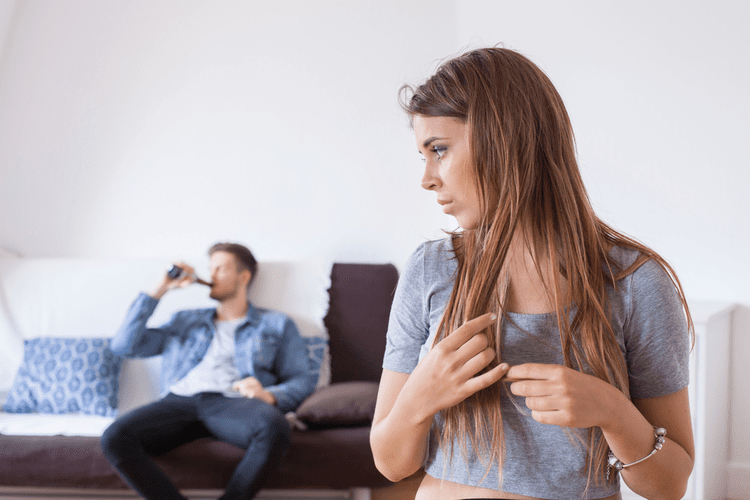
The journey to recovery from alcoholism can be challenging, but it's crucial to know that it's possible. Seeking treatment and making positive lifestyle changes can significantly improve an individual's health outcomes and increase their life expectancy. Continued investment in alcohol-related research is crucial for developing innovative approaches, improving treatment outcomes, and reducing the burden of alcohol-related diseases and social problems. Alcoholism, also called alcohol use disorder (AUD), is a chronic and potentially life-threatening condition characterized by an inability to control alcohol consumption despite its adverse consequences. This disorder not only affects physical health but also wreaks havoc on mental well-being and social functioning.
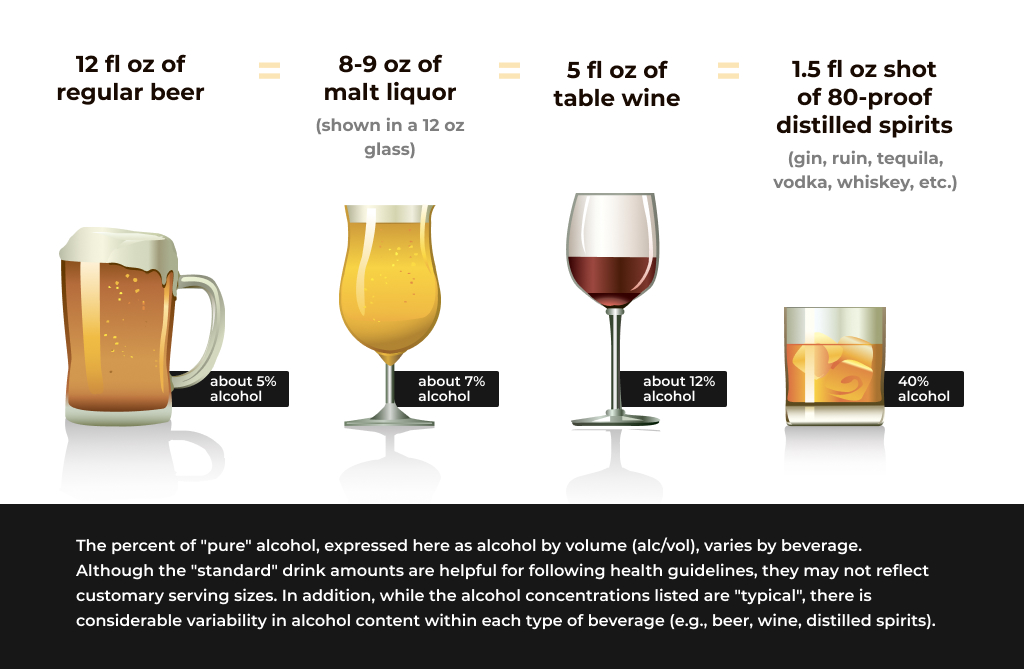
Understanding the impact of alcoholism on life expectancy serves as a reminder of the urgent need for prevention, early intervention, and effective treatment options for alcohol use disorder. Supporting individuals with alcoholism and encouraging them to seek help can lead to better health outcomes and a brighter future. To improve life expectancy, it is crucial for individuals struggling with alcoholism to seek help and receive treatment.